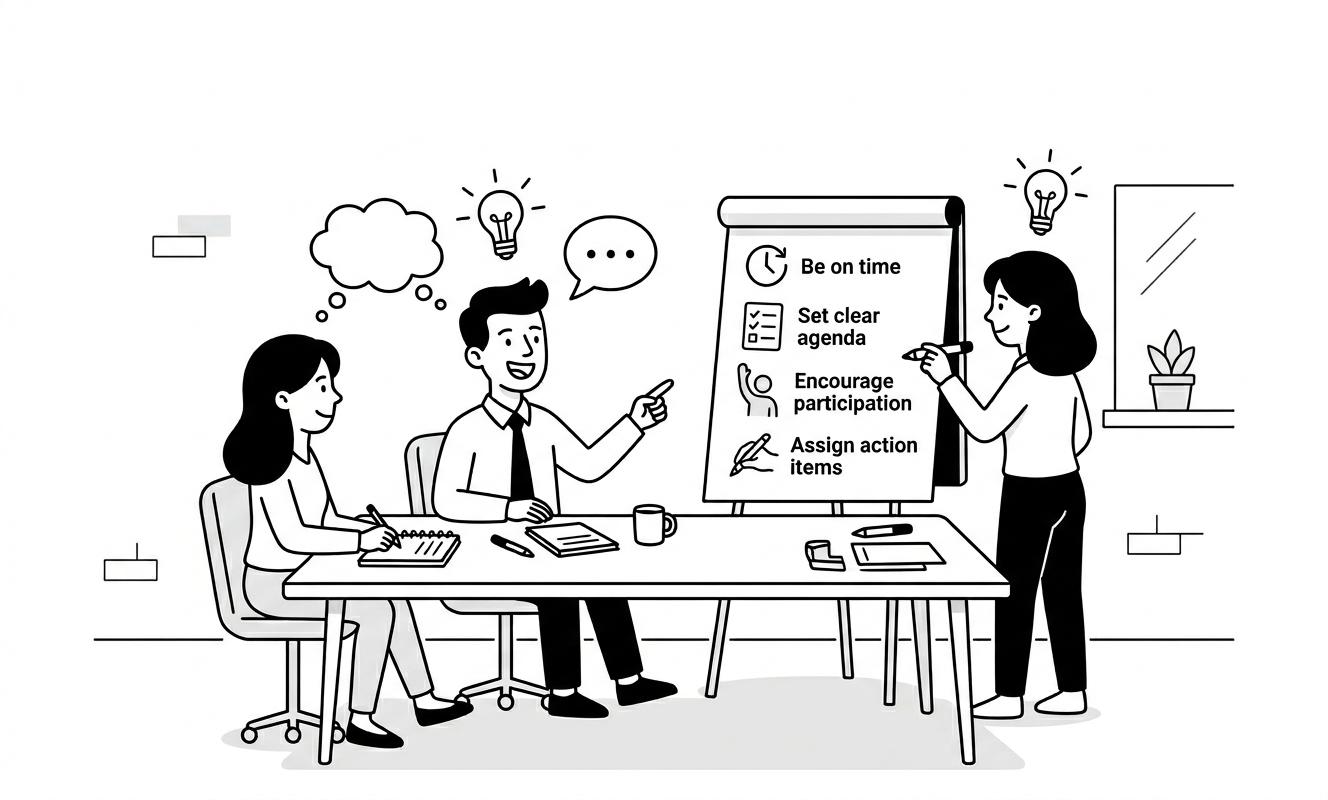
For developers, few things are as draining as a poorly run meeting. It’s time stolen from deep work, often leaving you with vague action items and a sense of frustration. Yet, meetings are the synapses of a collaborative tech team, essential for alignment, decision-making, and innovation. The key isn’t to avoid them, but to engineer them for maximum efficiency and output. By applying a systematic, almost algorithmic approach—focusing on clear preparation, active management, and strategic problem-solving—you can transform meetings from time sinks into powerful drivers of progress.
The foundation of a good meeting is laid before it even begins, starting with ruthless preparation. Just as you wouldn’t push code without a clear objective, don’t call a meeting without a defined purpose. Is this for making a decision, sharing critical news, or generating creative ideas? The agenda is your spec document; it should prioritize items by strategic importance, not just urgency, and focus on one major issue at a time to avoid cognitive overload. Crucially, empower different team members to chair and author the agenda. Rotating this role, much like rotating sprint responsibilities, builds leadership skills and injects fresh perspectives, preventing meeting fatigue and fostering collective ownership.
Once the meeting is live, active management is the runtime process that ensures stability and performance. The chair’s role is to be the moderator, preventing threads from going off-topic or participants from rehashing old debates. The critical practice here is the periodic ‘summing up’—a concise recap of decisions made, action points identified, and consensus built after each agenda item. This creates immediate clarity and momentum. Furthermore, maintaining clear, written records (the ‘minutes’ or notes) is non-negotiable. These should be a log of attendees, topics, decisions, and, most importantly, specific tasks assigned to individuals with clear owners, creating an immutable record for accountability.
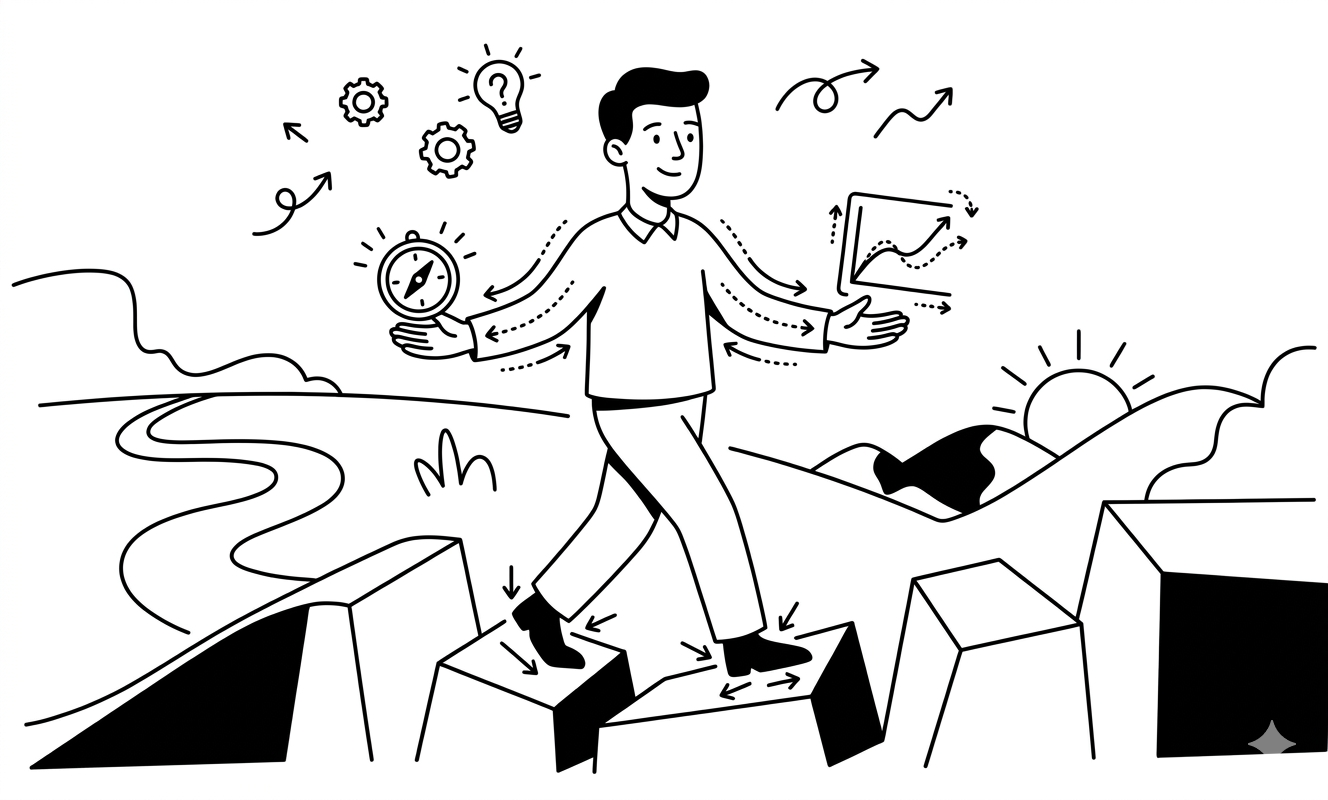
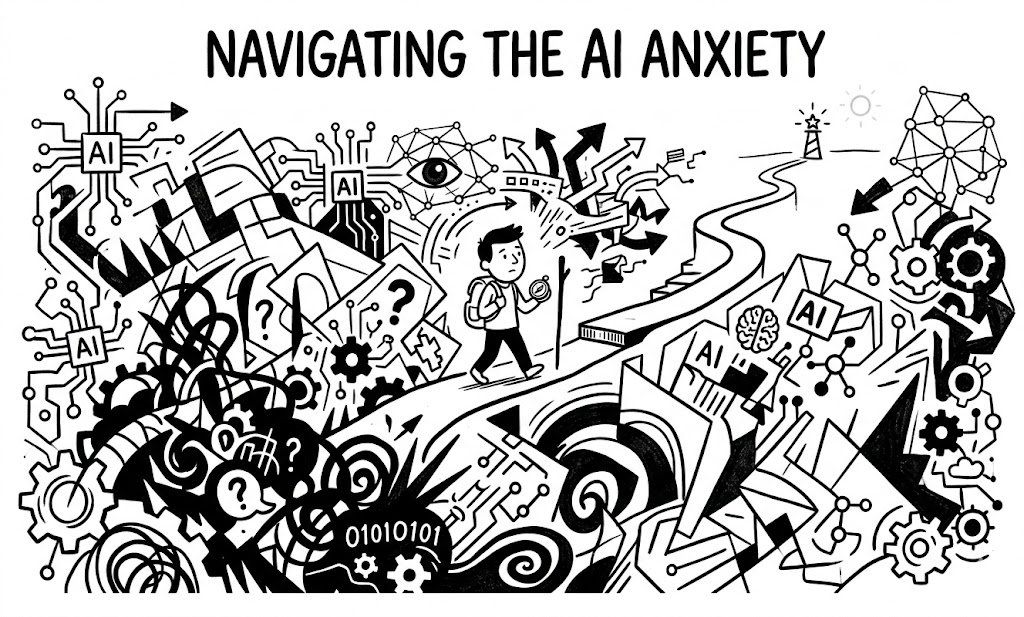
Even with the best preparation, meetings can stall. In tech, this often manifests as circular debates, blame-shifting, or premature convergence on a suboptimal solution. Recognizing these ‘stuck’ behaviors is the first step. The stall is usually a symptom of a deeper issue: insufficient data, unspoken assumptions, missing stakeholders, or a lack of diverse solution paths. When this happens, follow a deliberate ‘unsticking’ process: First, declare the stall openly to break the pattern. Then, reframe it positively—being stuck often means you’re exploring complex, valuable territory. Next, diagnose the root cause by retracing the discussion. Finally, innovate by brainstorming new approaches or explicitly gathering the missing information needed to proceed.
Ultimately, a culture of effective meetings is a hallmark of a high-performing engineering team. It respects the developer’s most precious resource: focused time. By treating meeting design with the same rigor applied to system architecture—defining clear inputs (agendas), managing the process actively, and having debug protocols for when things halt—teams can ensure that every gathering accelerates development rather than hindering it. The goal is to leave every meeting with unambiguous next steps, a shared understanding, and the energy to execute, turning collaborative time into a catalyst for shipping great software.
14 thoughts on “Good Meetings”
Comments are closed.