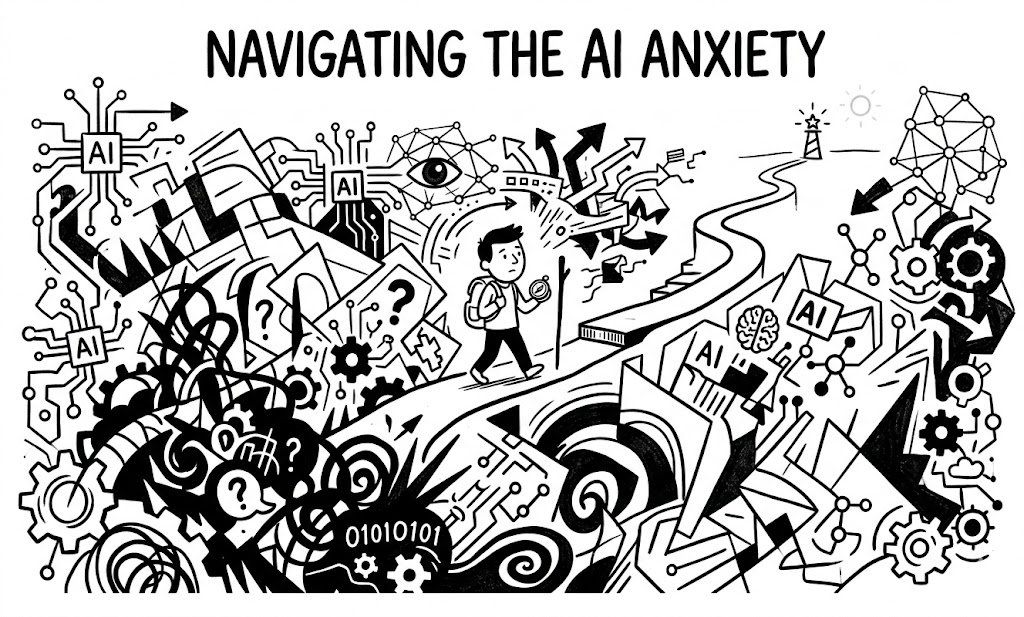
Why We’re All a Bit Twitchy About the Bots
Let’s address the elephant in the room: whenever someone mentions “AI in the finance department,” half the room thinks of a sleek, efficient future, while the other half pictues their P45 being printed by a literal robot. It’s completely natural to feel a bit of “AI anxiety.” We’re hardwired to value our expertise, and when a piece of software suddenly claims it can do your afternoon’s work in three seconds, it feels a bit personal. It’s not just about the job; it’s about our sense of purpose and being “the expert” in the room.
The “Black Box” Problem
A big part of the fear comes from the “Black Box” effect. In the old days, if a spreadsheet had an error, you could trace the formula and find the broken link. With modern AI, it can sometimes feel like magic—or worse, a mystery. We tend to fear what we can’t explain. Psychologically, we’re much more comfortable with a human making a mistake than a machine making a decision we don’t understand. We worry that if the AI gets it wrong, we won’t know how to fix it, or we’ll be the ones taking the wrap for a “glitch.”
The “Loss of Control” Jitters
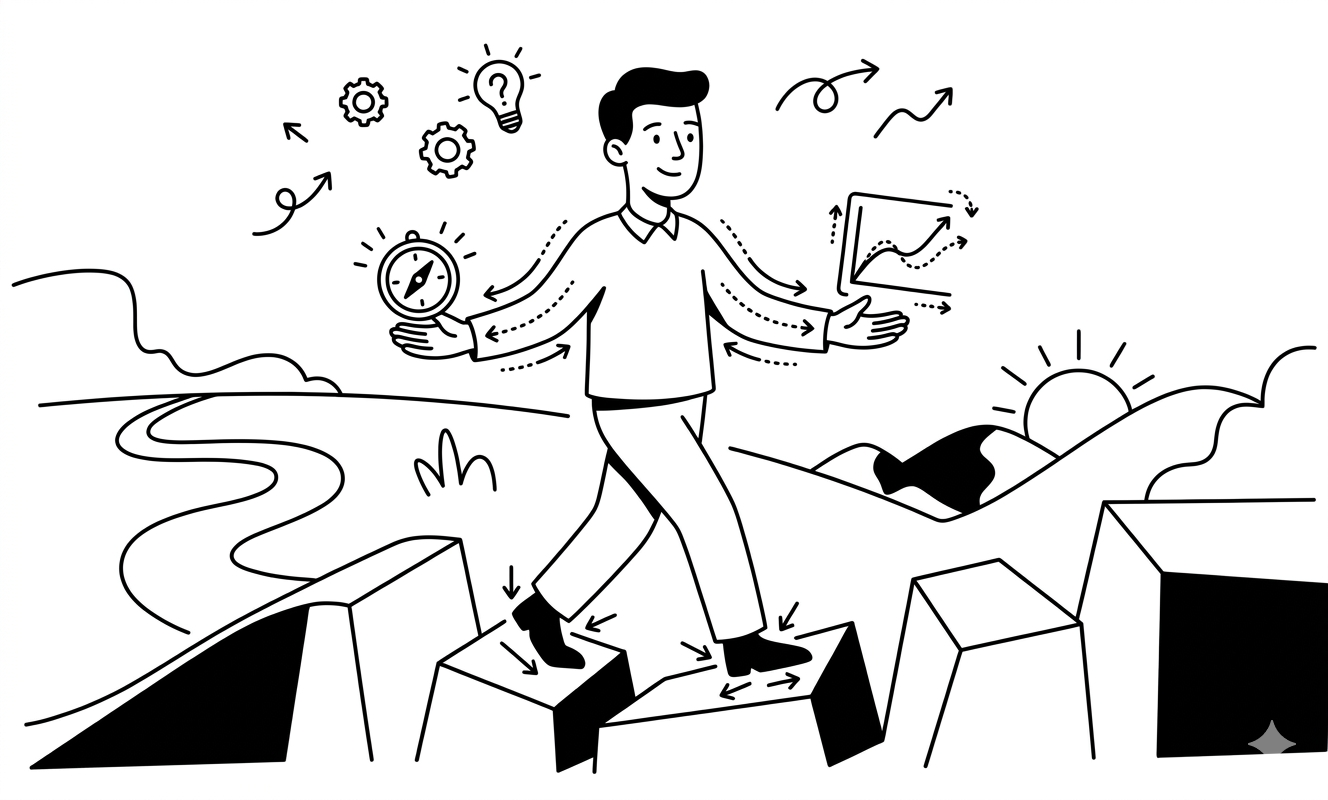
Psychologists often talk about “autonomy” as a basic human need. We like being the masters of our own domain. When automation steps in, it can feel like our “steering wheel” has been taken away. You might worry that instead of using a tool, you’re just feeding a machine. In reality, the most successful finance teams in 2026 are the ones that treat AI as a “Co-Pilot” rather than an “Auto-Pilot.” You’re still the captain; the AI is just the very high-tech navigation system keeping you off the rocks.
From “Threat” to “Tool”
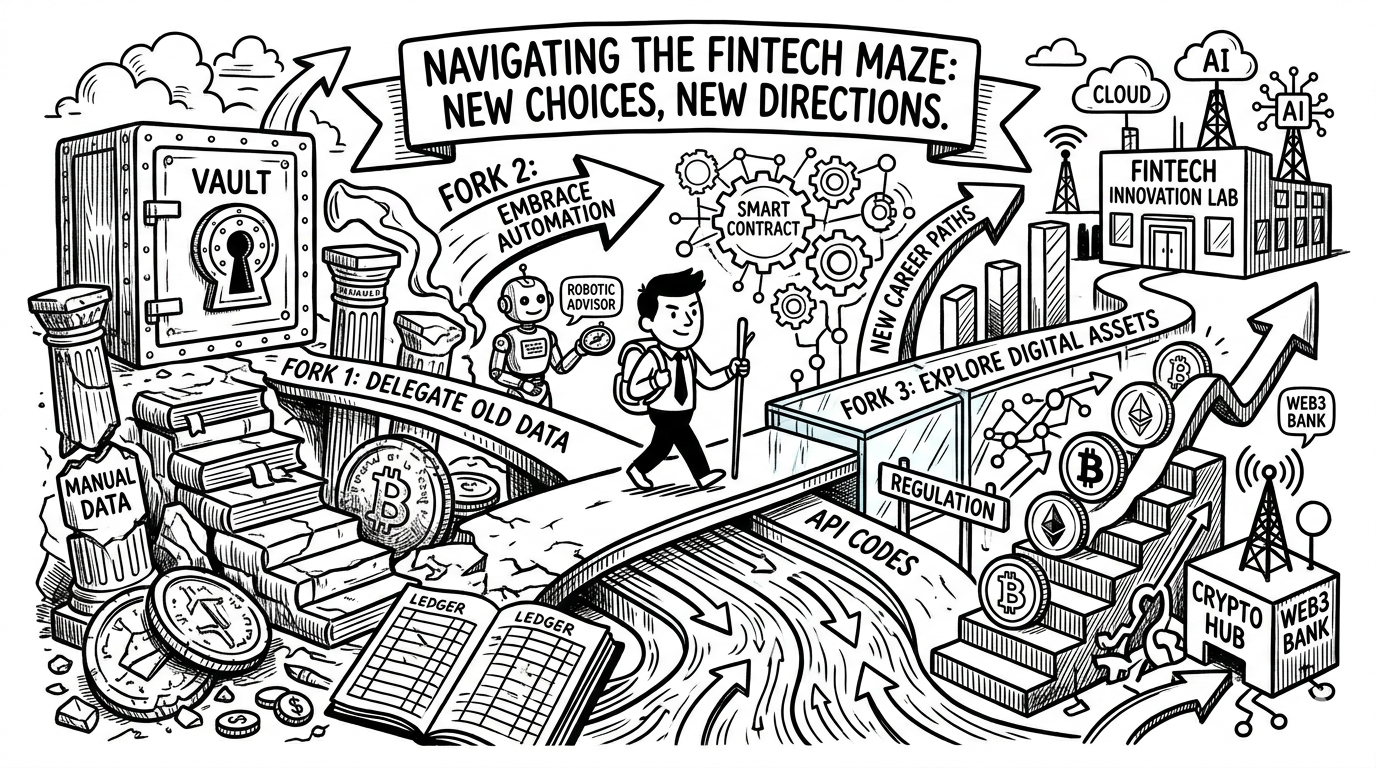
The shift from fear to acceptance usually happens the moment the AI actually saves your bacon. Maybe it catches a double-payment that would have cost the company thousands, or maybe it just means you actually get to leave the office at 5:00 PM during month-end for the first time in a decade. Once we stop seeing the technology as a competitor and start seeing it as a “force multiplier” that handles the drudgery, the anxiety starts to melt away. It’s about moving from “Will it replace me?” to “What can I do now that I have all this extra time?”
The Power of “Soft Skills”
Here’s a comforting thought: AI is brilliant at logic, but it’s rubbish at being a person. It can’t walk into a difficult meeting, read the room, and figure out that the Marketing Director is stressed about their budget because of a personal issue. It can’t negotiate a complex deal based on a decade of trust and a shared love of football. The fear of AI often overlooks the fact that emotional intelligence is the one thing a processor can’t replicate. In 2026, being “good with people” is a more valuable finance skill than being “good with a calculator.”
We’ve Been Here Before
If we look back, we’ve had these jitters every time a big change comes along. People were terrified that computers would kill off the office, or that ATMs would mean the end of banks. Instead, those things just changed how we worked. The “Psychology of AI” is really just the “Psychology of Change.” Once the dust settles, we usually find that the new tech didn’t take our seat at the table—it just cleared off all the boring paperwork so we could actually have a proper conversation.
lqmsgfeidomupyidxhopqyusfgrgmz