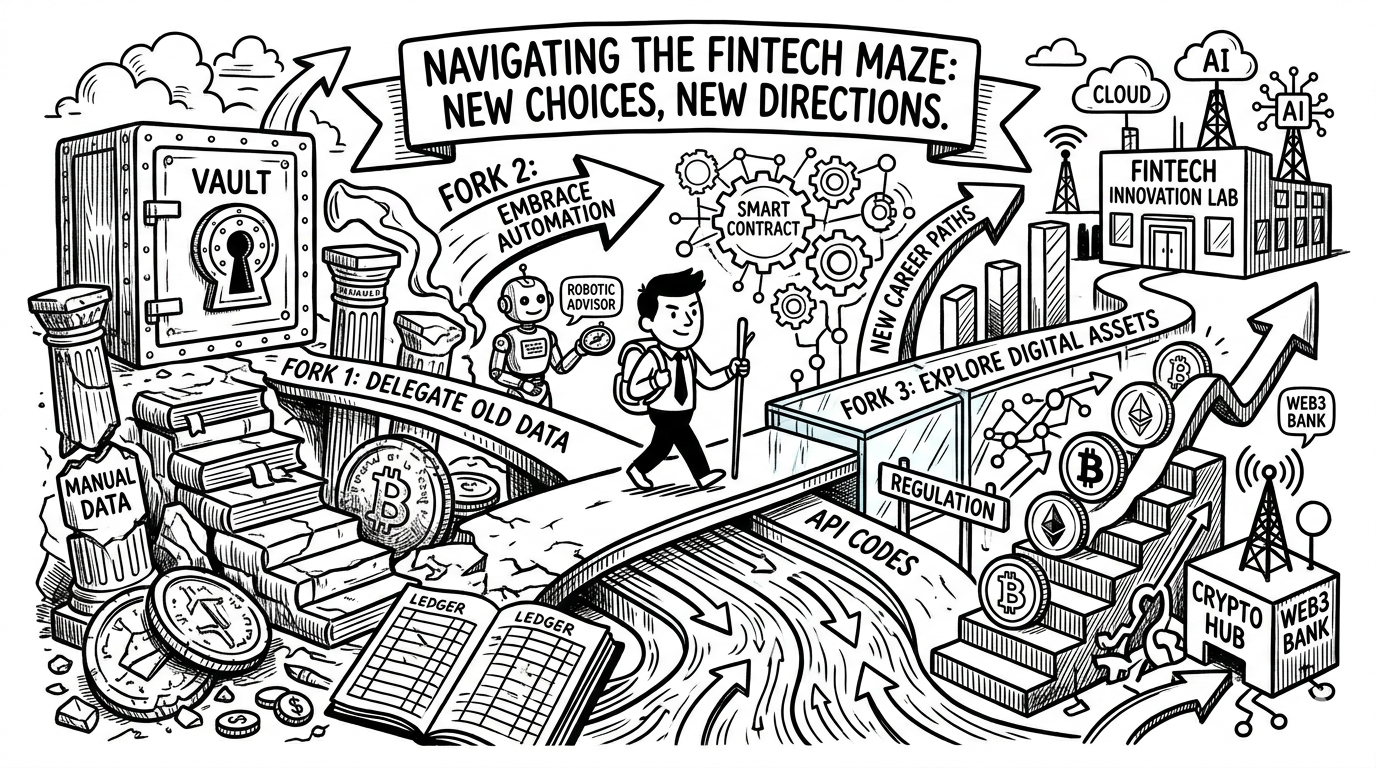
The Robots Aren’t Coming for Your Wallet—They’re Just Organizing It
Let’s be honest: most of us view “finance processes” with the same enthusiasm we reserve for a trip to the dentist. It’s a world of endless spreadsheets, mysterious acronyms, and that nagging feeling you’ve forgotten to attach a receipt to an expense claim. But something has changed recently. We’ve moved past the era of simple “automated emails” and into the age of Agentic AI—smart digital assistants that don’t just follow rules, but actually understand what they’re doing.
From “Computer Says No” to “I’ve Sorted That For You”
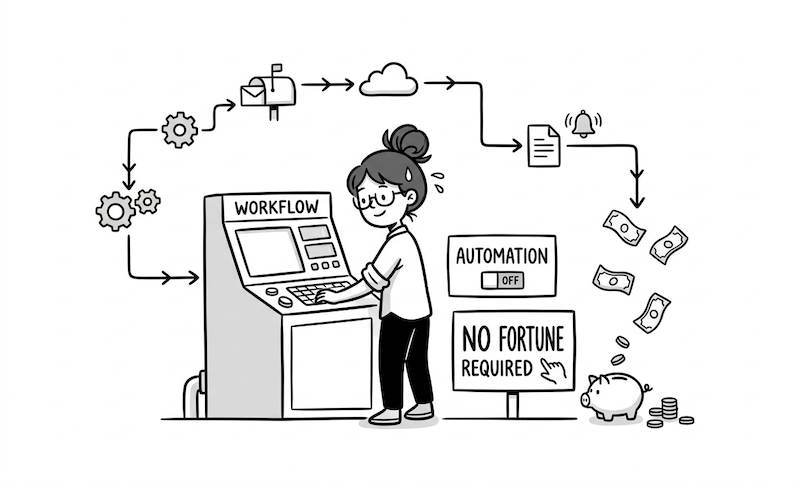
In the old days (read: three years ago), automation was a bit rigid. If a digit was out of place, the whole system would ground to a halt. Today, modern finance tools use Intelligent Process Automation. Think of it like a smart hoover for your data. Instead of you manually typing in every line of a coffee shop receipt, these systems “read” the image, realize it’s a business lunch, categorize it under “Travel & Subsistence,” and flag it for approval before you’ve even finished your latte.
The Rise of the “Continuous Close”
If you work in an office, you’ll know the “Month-End Scramble”—that frantic week where the finance team disappears under a mountain of invoices. One of the biggest trends in 2026 is the Continuous Close. Instead of waiting until the 30th to tally everything up, AI agents work in the background 24/7. They reconcile bank statements as they happen and match invoices to purchase orders in real-time. It’s like having a tidy house because you’ve got a robot tidying up every crumb the second it hits the floor, rather than doing a massive deep-clean once a month.
Spotting the Scammers (Before They Spot You)
Automation isn’t just about saving time; it’s about having a digital bodyguard. We’re seeing a massive shift toward AI-driven fraud detection. These systems are now clever enough to spot “out of character” spending patterns instantly. If a company suddenly tries to pay a new supplier in a different country without the usual paperwork, the AI doesn’t just process it; it pauses the transaction and asks, “Hang on, is this definitely you?” It’s a level of security that old-school manual checks simply couldn’t match.
What This Means for You
You might be wondering: “Is a robot going to take my job?” The short answer is: probably not, but it will definitely take the boring bits. By 2026, about 90% of finance functions are expected to use some form of AI. This doesn’t mean fewer people; it means people doing more interesting stuff. Instead of being a human data-entry machine, finance pros are becoming “Strategic Advisors.” They spend less time squinting at Row 402 of an Excel sheet and more time looking at the big picture—like how to grow the business or save for that big office move.
Embracing the Easy Life
At the end of the day, automation in finance is just about making life a bit more “frictionless.” Whether it’s your banking app automatically setting aside money for your tax bill or a business system that pays suppliers on time without a single frantic phone call, the goal is the same: less admin, more living. We’re finally reaching a point where the “finance” part of work happens quietly in the background, leaving us to focus on the bits of our jobs that actually require a human brain.

kwvzhomgngpohgoizmxzuvkqygjgxx